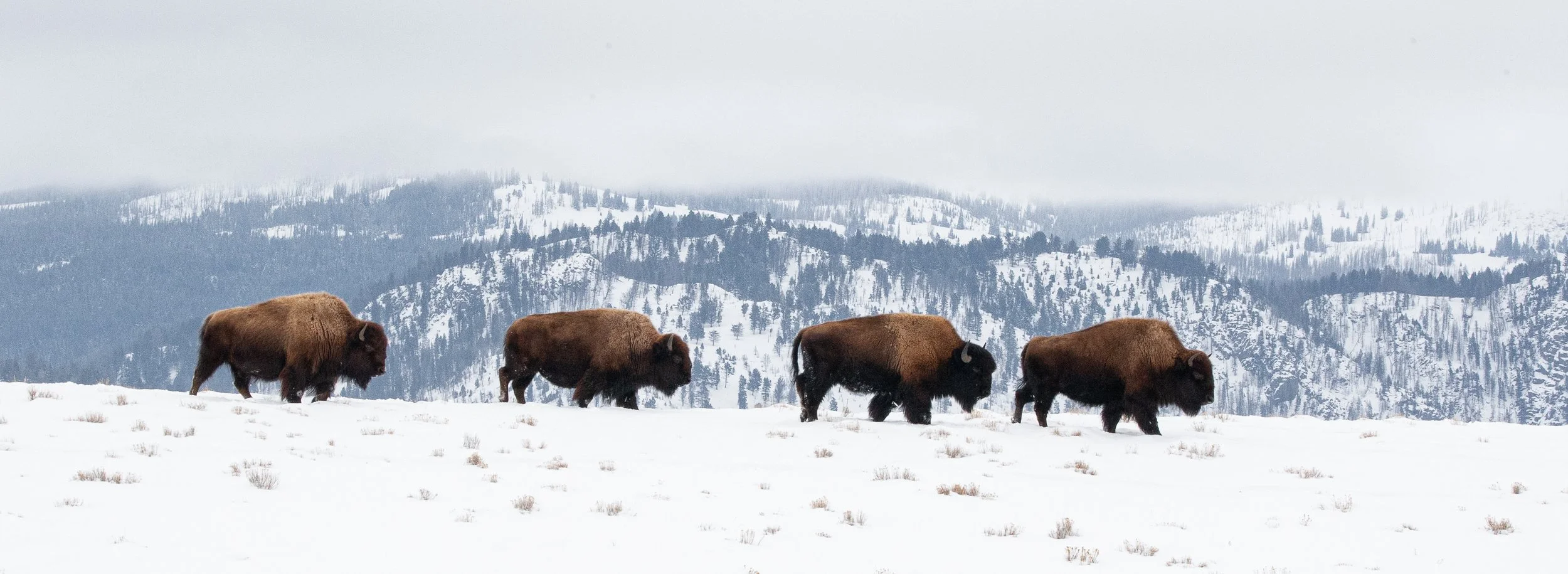
The Reintroduction of Wolves Into Yellowstone: How Apex Predators Transformed an Entire Ecosystem

Photo by @didiofederico_photographer
The return of gray wolves to Yellowstone National Park in 1995 marked a significant moment in conservation history. Scientists brought 14 wolves from Canada and released them into the park ecosystem. The following year, they added 17 more wolves to strengthen the population.
This action reversed nearly a century of wolf absence from the region. Early settlers and government programs had eliminated wolves from Yellowstone by the 1920s. The removal created an unbalanced ecosystem that lasted for decades.
Ecological Changes After Wolf Return
The presence of wolves in Yellowstone triggered a trophic cascade throughout the entire ecosystem. This process occurs when predators influence the behavior and numbers of their prey, which then affects plant communities and other wildlife.
Elk populations had grown too large without natural predators to control them. These large herds ate young trees and shrubs along rivers and streams. They prevented new growth in many areas of the park.
Key changes observed after wolf reintroduction:
Elk herds became smaller and more cautious
River vegetation began recovering
Aspen groves started growing again
Beaver populations increased
Bird species returned to riparian areas
The wolves changed elk behavior patterns significantly. Elk could no longer graze freely in open valleys and along waterways. They moved to higher ground and spent less time in vulnerable areas.
Plant Recovery and Forest Health
Willow, cottonwood, and aspen trees showed remarkable recovery after wolves returned. These plants had struggled to grow for decades due to heavy elk browsing pressure. Young trees now had chances to mature without constant grazing damage.
Stream-side forests became thicker and healthier. This vegetation provided habitat for songbirds, small mammals, and insects. The improved plant communities created more diverse ecosystems throughout the park.
Beavers benefited greatly from the increased willow growth. These animals need willows for food and dam-building materials. Beaver populations grew as their food sources became more available.

Photo by @evablue
Wildlife Population Changes
Wolf reintroduction affected many animal species beyond elk. Some populations increased while others faced new challenges. The changes varied across different areas of the park.
Species that benefited:
Beavers
Songbirds
Small mammals
Scavenger species like ravens and eagles
Species that faced challenges:
Elk (reduced numbers)
Moose (decreased populations)
Coyotes (territory competition)
Wolves provided food for scavenger animals through their kills. Ravens, eagles, bears, and other species fed on wolf-killed carcasses. This created new food webs that had been missing from the ecosystem.
Human-Wolf Interactions
The wolf program created both benefits and conflicts for local communities. Tourism increased significantly as visitors came to see wolves in their natural habitat. This brought economic benefits to nearby towns and businesses.
However, wolves sometimes left park boundaries and encountered livestock on private ranches. These incidents created tension between conservationists and local ranchers. Some wolves were killed to protect cattle and sheep.
Park managers developed strategies to reduce conflicts. They used radio collars to track wolf movements and worked with ranchers to implement protective measures. Education programs helped communities understand wolf behavior and safety practices.
Scientific Research and Monitoring
Researchers have studied the Yellowstone wolves extensively since their return. They track individual wolves, monitor pack dynamics, and measure ecosystem changes. This research provides valuable data about predator-prey relationships.
The wolf project became one of the most documented wildlife reintroduction programs in history. Scientists from around the world study the Yellowstone experience to understand ecosystem restoration methods.
Long-term studies show that the effects of wolf reintroduction continue to develop decades after the initial release. Some changes happened quickly, while others took years to become apparent. The research demonstrates the complex connections between predators and ecosystem health.
The Yellowstone wolf story illustrates how a single species can influence entire landscapes. The return of these predators created ripple effects that touched every part of the park's natural systems.